Dependable Septic Services for Chehalis & Lewis County
Chehalis is an incorporated city in Lewis County that operates its own municipal sanitary sewer system, but not every Chehalis-area property has the same wastewater setup. Properties with available public sewer can be subject to City connection requirements, while private onsite septic systems remain relevant where public sewer is not available.
Fast Adams Septic provides septic pumping, inspections, repairs, maintenance, installation, and replacement for eligible Chehalis-area properties using private onsite systems. The appropriate service depends on the property, sewer availability, system condition, and current City and Lewis County requirements.
Before planning major septic repair, replacement, or installation work, Chehalis property owners should confirm whether public sewer is available and whether City connection requirements apply.
Complete Septic Care for Chehalis-Area Properties
Fast Adams provides Chehalis-area customers with septic pumping, inspections, troubleshooting, repairs, and maintenance, along with septic installation and replacement for eligible properties where onsite wastewater treatment is permitted. For properties where City sewer is available, applicable connection requirements should be considered before major septic work.

Septic Services We Provide in the Chehalis Area

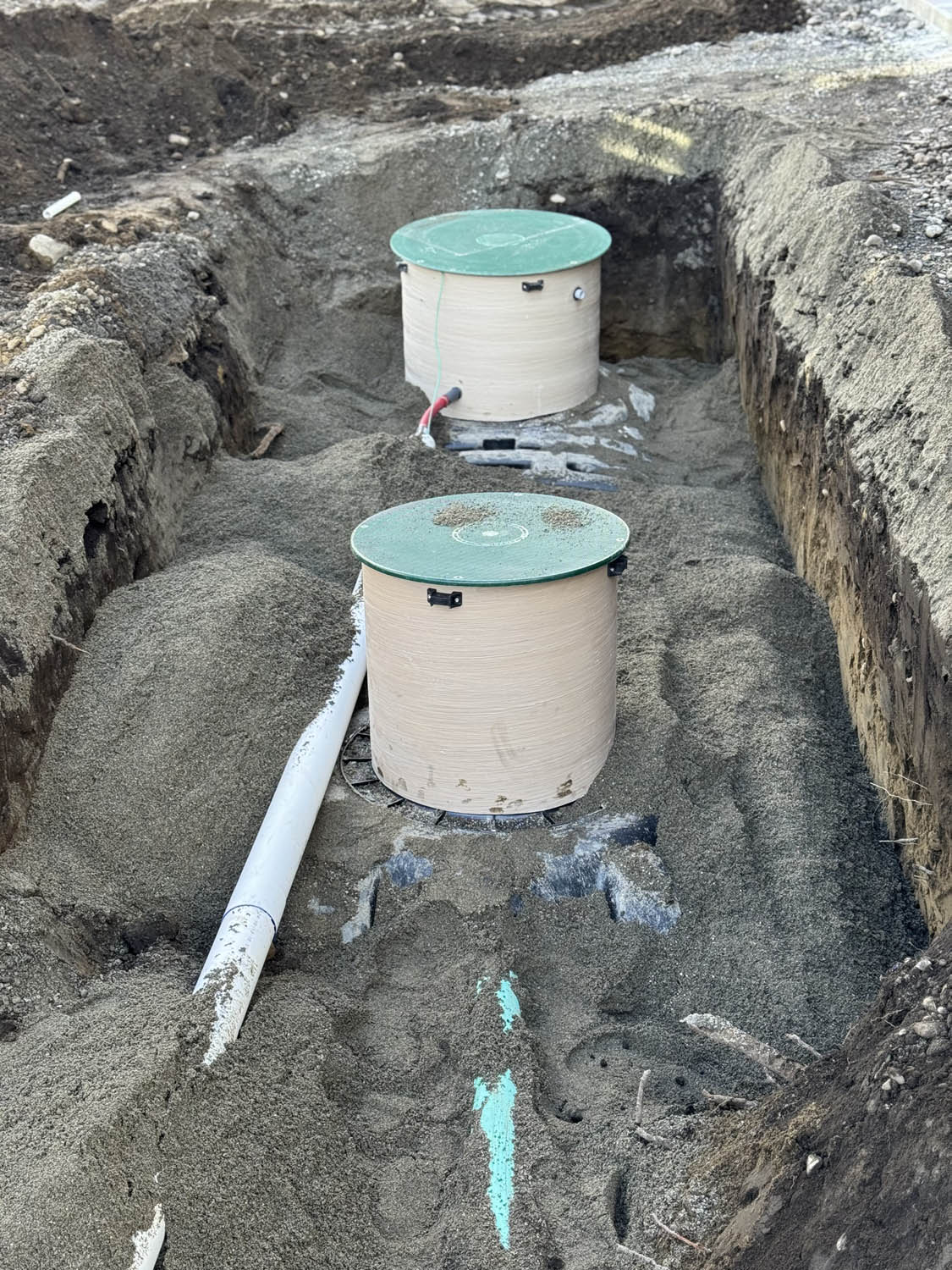
Septic Installation in the Chehalis Area
Fast Adams provides septic system installation and replacement for eligible Chehalis-area properties where public sanitary sewer is not available and onsite wastewater treatment is permitted. Public sewer availability should always be confirmed first for properties within Chehalis city limits or its urban growth area.
Chehalis Municipal Code 13.08.060 allows a building to be connected to a private wastewater disposal system where public sewer is not available under the City’s connection rules, and CMC 13.08.070 requires that system to be operated and maintained under Lewis County health requirements. Where onsite septic is appropriate, approval depends on property conditions, soils, system design, setbacks, wastewater demand, and a Lewis County septic permit.
Explore Septic Installation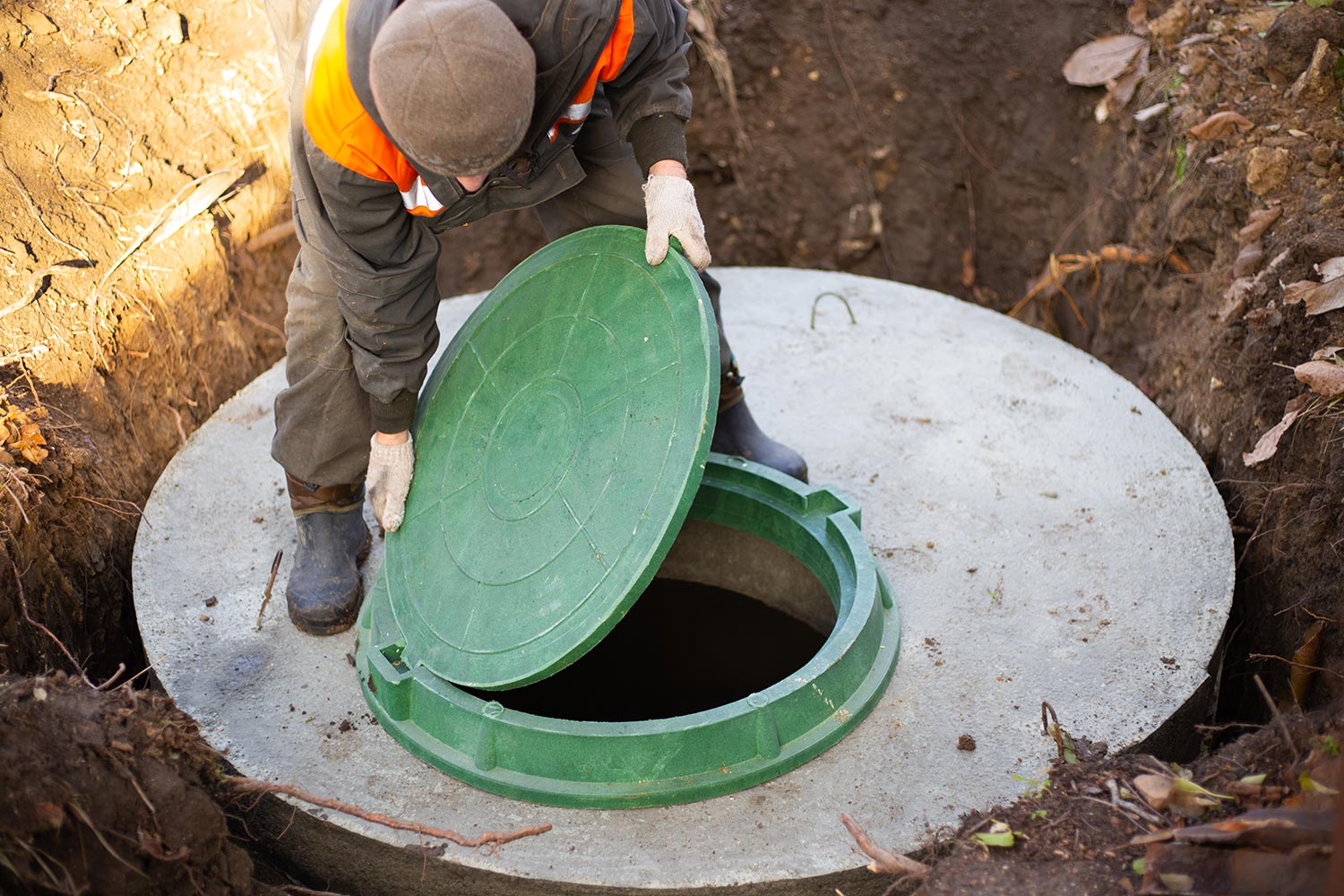
Septic Repair in Chehalis
Slow drains, sewage backups, odors, wet ground, damaged components, and drainfield problems can indicate that a private septic system needs professional attention. Fast Adams provides troubleshooting and septic repair for Chehalis-area properties using onsite sewage systems.
Under Lewis County Code 8.40, updated in 2025, a permit is not required for a minor repair, which the code limits to specific components such as tank baffles, effluent filters, tank pumps and lids, pump control floats, risers, control panels, building sewers, and inspection ports. Replacing a septic tank, treatment component, or drainfield requires a County permit. Where City sewer has become available to the property, connection requirements should be checked before major replacement work.
Explore Septic Repair
Septic Pumping & Inspections in Chehalis
Regular septic pumping and system checks help remove accumulated solids and identify maintenance needs before they become larger problems. Lewis County homeowner guidance says solids build up at different rates depending on household use.
For conventional systems, the County suggests pumping about every three years, or when sludge reaches 12 to 18 inches, as a starting point, and the pumper can recommend future service intervals after the first pumping. Systems other than conventional gravity systems should be checked at least once a year by a certified professional, and proprietary systems have additional operation and maintenance permit requirements.
Explore Septic PumpingNeed septic service in Chehalis?
Signs Your Chehalis Property May Need Septic Service
Changes in drainage, plumbing behavior, odors, or conditions around the septic system can indicate that an onsite sewage system needs professional attention.
- Slow drains throughout the property: Multiple slow fixtures may indicate a wastewater flow or septic problem.
- Sewage backups: Wastewater entering toilets, tubs, showers, or sinks requires prompt attention.
- Persistent sewage odors: Odors indoors or around septic components can indicate a system problem.
- Surfacing sewage or wet ground: Unexpected wastewater or saturated areas near the tank or drainfield should be evaluated promptly.
- Gurgling plumbing: Unusual noises from drains or toilets can occur when wastewater is not moving normally through the system.
If you notice these symptoms at a Chehalis-area property with a private septic system, contact Fast Adams to discuss the problem and determine the appropriate next step.
Public Sewer & Private Septic in Chehalis
The City of Chehalis operates its own sanitary sewer collection system and wastewater treatment. Its Wastewater Division treats wastewater from Chehalis, Napavine, Lewis County Sewer District No. 4, and associated service areas at the Chehalis Regional Water Reclamation Facility, which was built in 2007 to replace the City’s older treatment plant.
Private septic systems still exist where public sewer is not available. Chehalis Municipal Code provides for private wastewater disposal systems in those situations, subject to City requirements and Lewis County septic regulations. The City has also annexed additional territory from its urban growth area, so owners should confirm whether their property is inside current city limits.
When Is Public Sewer Required?
Chehalis has several related sewer connection provisions, and they work together rather than as a single distance rule:
- CMC 13.08.040: Buildings in the city on property that abuts a street, alley, or right-of-way containing public sewer must connect when that sewer is within 200 feet of the property line.
- CMC 13.08.030: Owners of buildings abutting a right-of-way with public sewer must connect within 60 days of written notice from the Public Works Director when the sewer is within 200 feet of the building.
- CMC 12.04.570: The City’s development standards say public sewer must be used where available within city limits, but connection is not required when the sewage from a structure originates more than 200 feet from the sewer. That exception does not apply to private residential or commercial developments that abut a right-of-way containing public sewer or where a service connection is otherwise provided; in those cases, all structures must connect regardless of distance.
- CMC 13.08.050: The Public Works Director may also require owners of land on or adjoining a street or alley with public sewer to connect when necessary, with at least five days of written notice.
Because these provisions turn on property lines, building locations, adjoining rights-of-way, development type, and notice from the City, owners should confirm the requirement for their specific parcel instead of assuming a simple 200-foot radius applies.
Can an Existing Chehalis Home Continue Using Septic?
The City’s 2025 Comprehensive Plan, adopted by Resolution No. 27-2025, includes Policy U.04.01, which allows existing single-family homes with septic systems to continue using them where there are no health or environmental problems and there is no City sewer line in the vicinity. The same policy calls for assessing environmental and health inequities associated with septic systems and prioritizing sewer extensions in impacted areas.
The plan’s related goal encourages homeowners to connect to the City’s sewer system, with consideration for affordability and equitable access.
What Happens When Sewer Becomes Available?
Under CMC 13.08.080, when public sewer becomes available to a property served by a private system under the City’s mandatory connection provisions, the property must connect directly to public sewer, and any septic tanks, cesspools, or similar private facilities must be abandoned and filled with suitable material as provided by City ordinance.
Lewis County Septic Permits & Maintenance
Lewis County Environmental Health administers the onsite sewage program for properties using private septic systems. The program evaluates site conditions and soils in test pits, sets permitting conditions, issues septic permits, reviews development proposals that rely on onsite treatment, and keeps permit records that owners can search online.
The Lewis County Board of County Commissioners approved an updated Lewis County Code Chapter 8.40, On-Site Sewage Systems, on August 26, 2025, and the County states the new code is effective as of that date. New installations, repairs, and other regulated septic work should follow the current County requirements.
When Does Septic Work Require a Permit?
Routine pumping and other work inside the existing tank, such as cleaning or replacing an effluent filter or measuring sludge, does not require a septic permit. Under the 2025 code, minor repairs to listed components, including baffles, effluent filters, tank pumps and lids, pump floats, risers, control panels, building sewers, and inspection ports, also do not require a permit, although the County may ask for records of that work.
Replacing a septic tank, a treatment component, or the drainfield is not a minor repair. That work, along with any new installation, modification, or expansion, requires a Lewis County application and permit before construction begins.
Maintaining Different Types of Septic Systems
For conventional gravity systems, Lewis County homeowner guidance identifies pumping about every three years, or when sludge reaches 12 to 18 inches, as a starting point. This is maintenance guidance rather than a fixed legal pumping schedule, and the pumper can recommend future intervals after evaluating the system.
Systems other than conventional gravity systems should be checked at least once a year by a certified professional. According to the County’s homeowner guidance, proprietary systems require an Operations & Maintenance permit with two inspections in the first year and yearly inspections afterward, and the permit must be renewed every three years.
Frequently Asked Questions About Septic Services in Chehalis
Does Fast Adams provide septic service in Chehalis?
Yes. Fast Adams provides septic pumping, inspections, repairs, maintenance, installation, and replacement for eligible Chehalis-area properties using private onsite septic systems.
Does every Chehalis property use septic?
No. The City of Chehalis operates a municipal sanitary sewer system. Private septic remains relevant for properties where public sewer is not available and onsite wastewater treatment is permitted.
Can a new septic system be installed in Chehalis?
Potentially. Chehalis Municipal Code allows private wastewater disposal systems where public sanitary sewer is not available under the City’s connection rules. Approval also depends on a Lewis County septic permit, site conditions, soils, system design, setbacks, and other current requirements.
Does every Chehalis property within 200 feet of a sewer line have to connect?
Not as a simple blanket rule. Several City provisions use a 200-foot threshold, but they measure from different points, such as the property line or the building, and apply to properties abutting a right-of-way with public sewer. Private residential or commercial developments abutting such a right-of-way must connect regardless of distance, and the Public Works Director can require connection by written notice.
Can an existing Chehalis home keep using its septic system?
The City’s adopted 2025 Comprehensive Plan allows existing single-family homes with septic systems to continue using them where there are no health or environmental problems and no City sewer line is in the vicinity. City code and Lewis County health requirements still apply.
How often should a septic tank in Lewis County be pumped?
Lewis County homeowner guidance identifies about every three years, or when sludge reaches 12 to 18 inches, as a starting point for conventional systems. Actual pumping frequency depends on household use and system condition, and the pumper can recommend an appropriate schedule after evaluating the tank.
Does Lewis County require a permit to pump a septic tank?
No. Routine pumping of an existing septic tank does not require a septic permit. Replacing the tank, a treatment component, or the drainfield does require a permit under current Lewis County code.
Can Fast Adams repair septic systems in Chehalis?
Yes. Fast Adams provides septic troubleshooting and repair for backups, drainage problems, damaged components, tank issues, drainfield concerns, and other onsite wastewater problems. Permit requirements depend on the work needed and whether public sewer connection requirements apply to the property.
Do you offer emergency septic service in Chehalis?
Yes. Fast Adams offers 24/7 emergency septic service. Call (844) 247-7667 if you need immediate assistance.

What Our Clients Say
Get in Touch
Schedule Septic Service in Chehalis, WA
If your Chehalis-area property relies on private septic and needs pumping, inspection, repair, maintenance, installation, or replacement, contact Fast Adams today. For major installation or replacement projects, public sewer availability and current City and Lewis County requirements should be confirmed as part of planning the work.
"*" indicates required fields