
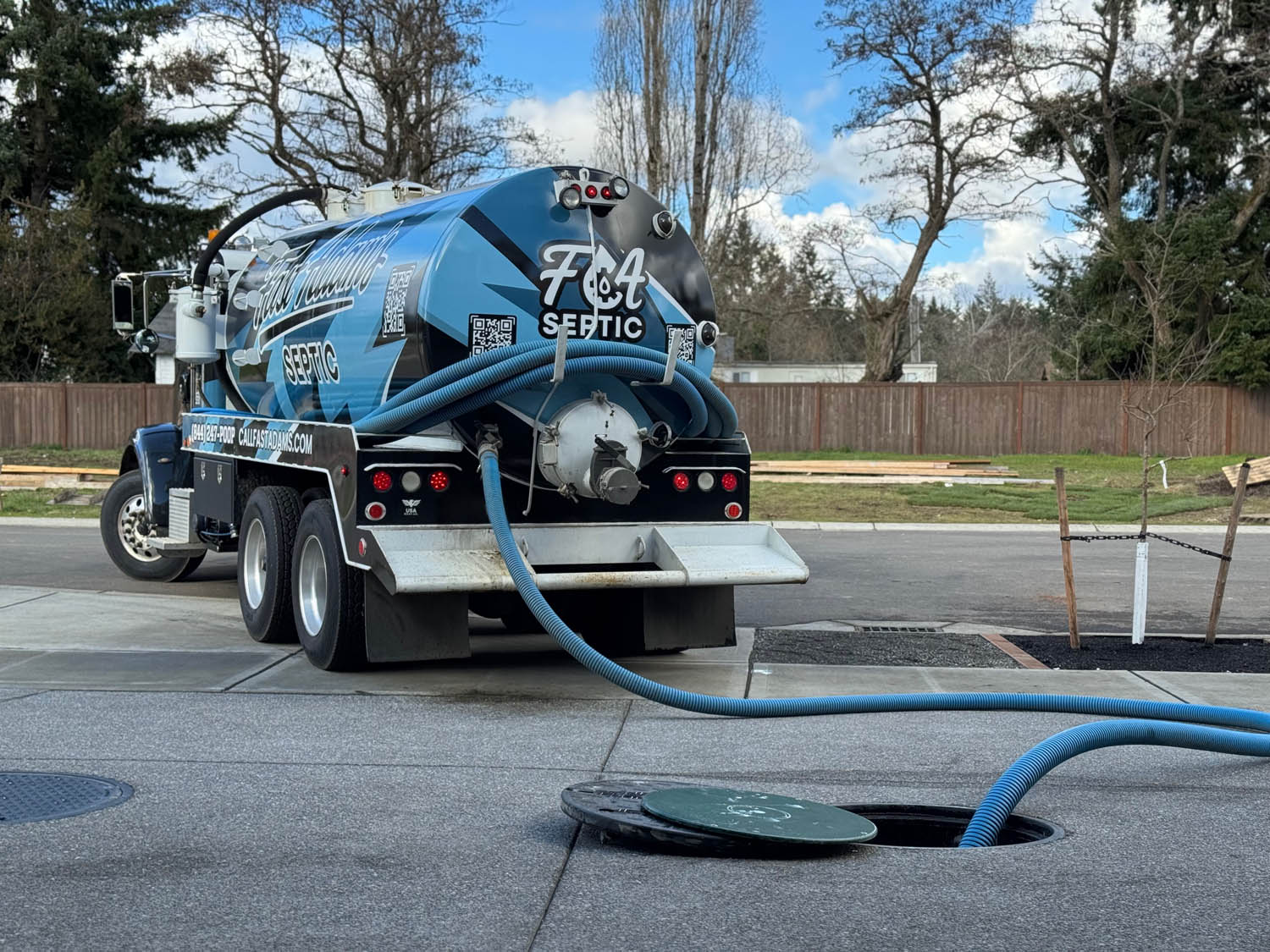

Dependable Septic Services for Lakewood & Pierce County
Lakewood properties can be served by different wastewater systems depending on sewer availability and the history of the property. Pierce County Sewer Division provides public sewer service to Lakewood residents, while some properties continue to use onsite septic systems under applicable City and Tacoma-Pierce County Health Department requirements.
Fast Adams Septic provides pumping, inspections, repairs, and maintenance for Lakewood-area properties that rely on private septic systems. We can also assist with septic installation and replacement for eligible properties where onsite sewage remains permitted and public sewer connection is not required.
If you are unsure whether your Lakewood property should continue using septic or is subject to a public sewer connection requirement, confirming sewer availability and current local requirements should be part of the service planning process.
Complete Septic Care for Lakewood-Area Properties
Fast Adams provides Lakewood-area customers with septic pumping, inspections, troubleshooting, repairs, and maintenance. For eligible properties where onsite wastewater treatment remains permitted, we also provide septic installation and replacement services. The correct next step depends on the condition of the system, sewer availability, and current City and Health Department requirements.



Septic Services We Provide in the Lakewood Area

Septic Installation & Replacement in the Lakewood Area
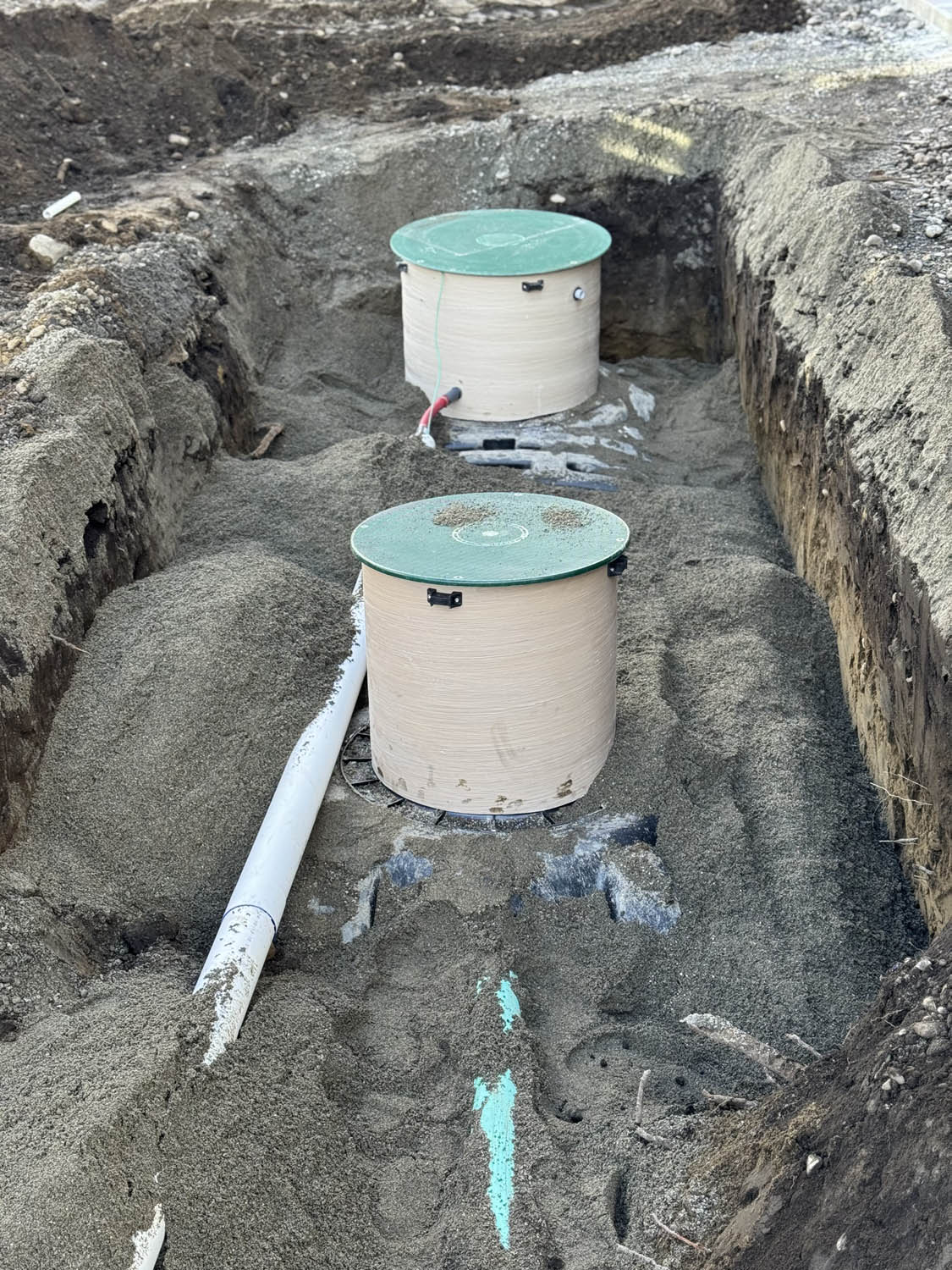
Fast Adams provides septic installation and replacement for appropriate Lakewood-area properties where onsite wastewater treatment remains legally permitted. Public sewer availability must be considered before planning a new or replacement septic system within Lakewood.
Under Lakewood’s sanitary sewer connection code, once the City has served and recorded a notice of sewer availability, an existing septic system becomes an interim on-site septic system that can only remain in use for a limited time, and certain events require immediate connection to public sewer. If public sewer connection is required for the property, replacing the septic system may not be the appropriate option. For eligible properties, septic design and installation must also comply with Tacoma-Pierce County Health Department requirements.
Explore Septic Installation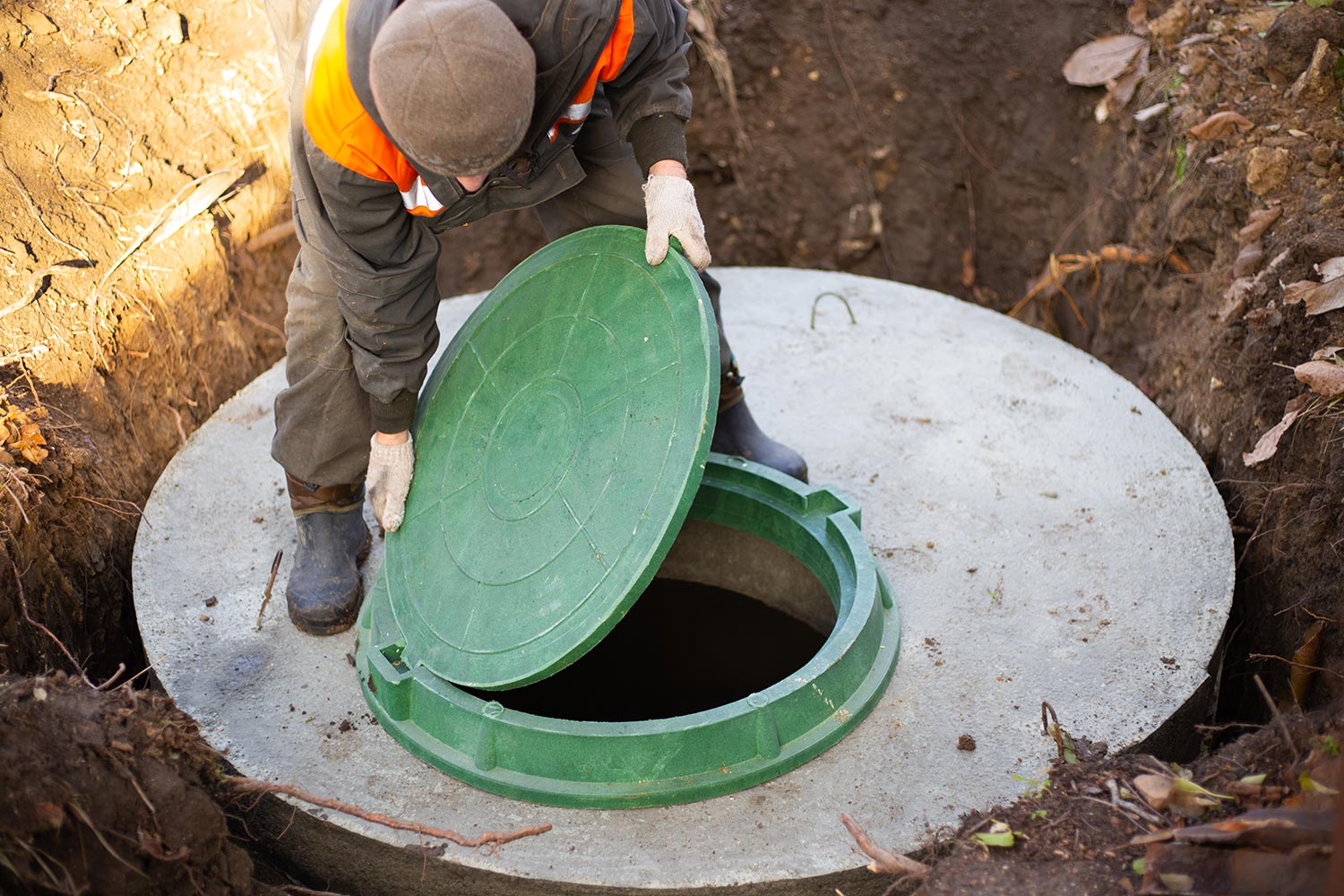
Septic Repair in Lakewood
Slow drains, sewage backups, odors, surfacing sewage, damaged components, and problems around the drainfield can indicate that a septic system needs professional attention. Fast Adams provides septic troubleshooting and repair for Lakewood-area properties that continue to use onsite sewage systems.
The correct solution depends on both the septic problem and sewer availability. Lakewood’s sewer connection code requires an interim on-site septic system to be discontinued and the property connected to public sewer when the system becomes inoperable, as determined by the authorized public health official. Where repair remains appropriate, Tacoma-Pierce County Health Department has specific application and professional requirements for tank replacement, partial repairs, design repairs, and full system replacement.
Explore Septic Repair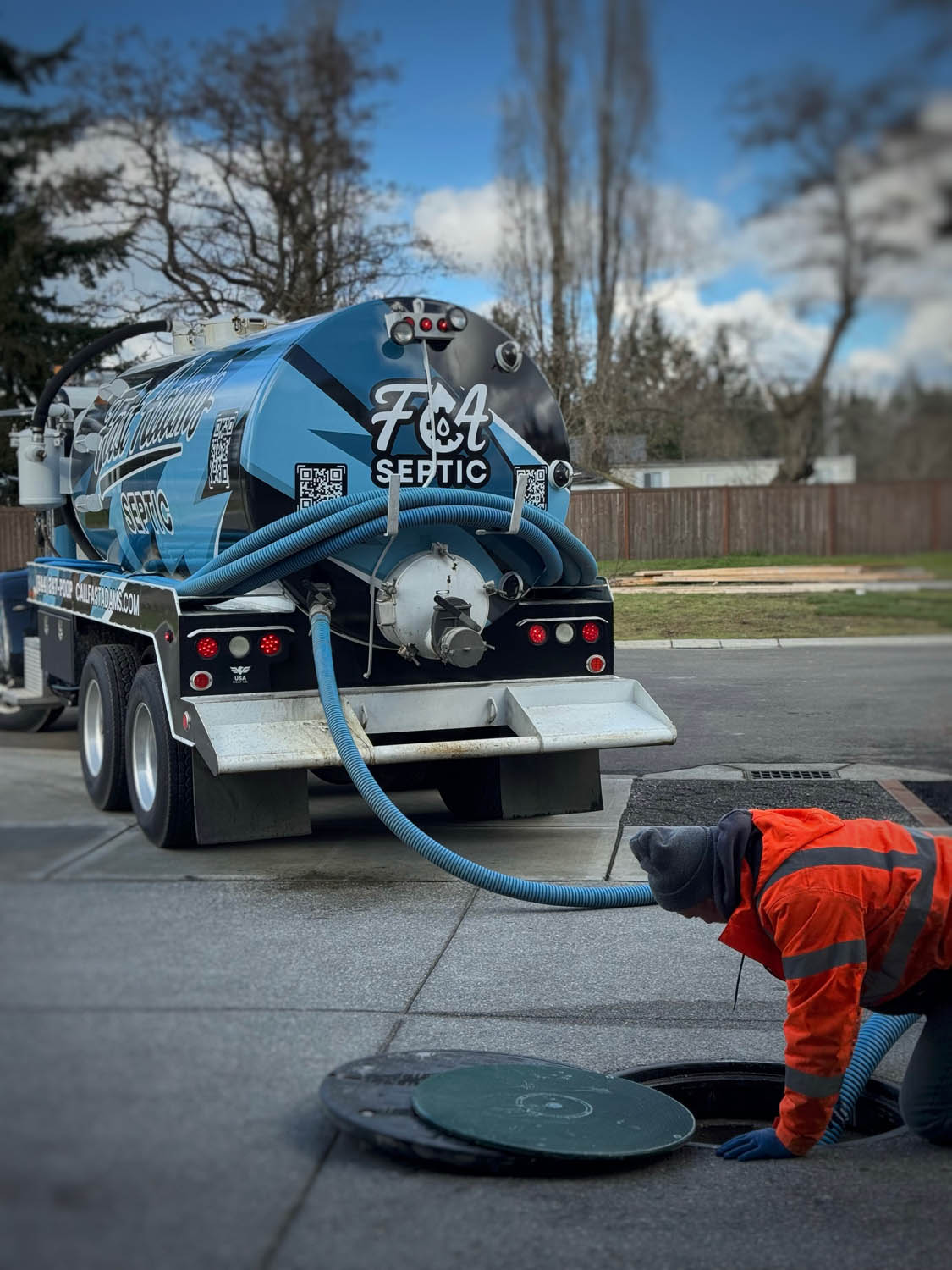
Septic Pumping & Inspections in Lakewood
Routine inspections help Lakewood-area septic owners identify maintenance needs before small problems become larger failures. Tacoma-Pierce County Health Department requires simple systems such as gravity and pressure systems to be inspected every three years, while complex systems such as community, aerobic treatment, and proprietary systems require inspection every year.
Pumping is separate from routine inspection, and the Health Department does not require pumping during a routine inspection. Its current guidance says tanks are commonly pumped every three to five years depending on usage and family size, or when combined sludge and scum reach about one-third of the tank. All tanks must be pumped as part of the inspection when a property is sold.
Explore Septic PumpingNeed septic service in Lakewood?
Signs Your Lakewood Property May Need Septic Service
Septic problems often produce warning signs before the system stops working completely. Changes in drainage, plumbing behavior, odors, or conditions around the septic area can indicate that the system should be evaluated.
- Slow drains throughout the property: Multiple slow fixtures may indicate a wastewater flow or septic system problem.
- Sewage backups: Wastewater entering toilets, tubs, showers, or sinks requires prompt attention.
- Persistent sewage odors: Odors inside the property or around septic components can indicate a system issue.
- Surfacing sewage or wet ground: Unexpected wastewater or saturated ground near the tank or drainfield should be evaluated promptly.
- Gurgling plumbing: Unusual noises from drains or toilets can occur when wastewater is not moving normally through the system.
If you notice these symptoms at a Lakewood property that uses an onsite septic system, contact Fast Adams to discuss the problem and determine the appropriate next step.
Private Septic Systems & Public Sewer in Lakewood
Pierce County Sewer Division provides public sewer service to Lakewood residents, and Lakewood is part of Pierce County’s sewer service area. Some Lakewood properties still use onsite septic systems, and the City’s sanitary sewer connection code, Chapter 13.04 of the Lakewood Municipal Code, is designed to move properties to public sewer as it becomes available.
When the City determines that sewer is available to a property, it serves the owner with a notice of availability and records it with the property. The owner is then required to take steps to connect, and any existing septic system on that property is treated as an interim on-site septic system.
How Long Can an Interim Septic System Stay in Use?
Under LMC 13.04.100, an interim on-site septic system may remain in use for up to 10 years from the date the notice of availability is recorded. Any use beyond five years requires certification from Tacoma-Pierce County Health Department that the system is in good working order, and interim systems may only remain in use while they are in good working order. Owners who have not connected within 90 days of the notice are assessed an availability charge equal to the base monthly sewer rate, and deferrals of up to three years may be requested in limited circumstances.
When Can Lakewood Require Immediate Connection?
Current Lakewood code requires an interim on-site septic system to be discontinued, and the property connected to public sewer, when any of these events occurs:
- The septic tank, drainfield, or other private sewage system becomes inoperable, as determined by the authorized public health official.
- A permit or application proposes a change that intensifies the use of a structure served by the interim system.
- A newly constructed structure on the property needs a certificate of occupancy.
- The property is sold, in which case the purchaser must connect before occupying or using the structure.
- Connection is necessary to meet planning and development regulations, such as discretionary permits, variances, or site development permits.
- The property is found to be a public nuisance or in violation of a public health or building code, and the City orders connection to cure the condition.
- The property is proposed to be subdivided, subjected to a binding site plan, or formed into a condominium.
When a property connects, the existing septic system must be decommissioned under Health Department requirements. Property owners should confirm the requirements that apply to their parcel before planning a major septic repair or replacement.
Selling a Lakewood Property With Septic
Property sales can involve both City sewer requirements and Pierce County septic requirements. If the property has an interim on-site septic system under Lakewood’s code, the sale triggers a requirement for the purchaser to connect to public sewer before occupying or using the structure.
Separately, Tacoma-Pierce County Health Department requires a Report of System Status before a property with a septic system is sold. The current process starts with a certified septic service company inspecting the system and pumping the tanks. The owner then submits an application, and the Health Department reviews it and inspects the property before issuing the report. Limited exemptions apply, such as recently installed systems.
Maintaining a Septic System in Pierce County
Tacoma-Pierce County Health Department regulates onsite sewage systems throughout Pierce County. The department works with septic professionals to approve system design, location, and installation, sets operation and maintenance requirements for existing systems, and keeps record drawings and inspection reports that property owners can search.
Pierce County Septic Inspection Schedules
Current Health Department guidance requires simple systems, including gravity and pressure systems, to be inspected every three years. Complex systems, including community, aerobic treatment, and proprietary systems, require inspection every year.
Gravity and pump-to-gravity systems may qualify for the Health Department’s reduced inspection frequency program, which extends the interval from three years to five years. Eligibility includes owning the property as your permanent residence, having a recent baseline inspection with any deficiencies corrected, completing a Health Department training, and submitting an attestation form, along with other program criteria.
When Should a Septic Tank Be Pumped?
An inspection schedule is not the same as a pumping schedule. Tacoma-Pierce County Health Department recommends pumping every three to five years depending on usage and family size, or when the combined sludge and scum reach about one-third of tank capacity. It does not require pumping during routine inspections, but it does require all tanks to be pumped when a property is sold.
Regular inspections also help identify whether pumping, maintenance, minor repair, or more significant work is necessary.
Frequently Asked Questions About Septic Services in Lakewood
Does Fast Adams provide septic service in Lakewood?
Yes. Fast Adams provides septic pumping, inspections, repairs, and maintenance for Lakewood-area properties that use onsite septic systems. Installation and replacement services are also available for eligible properties where private onsite sewage remains permitted and public sewer connection is not required.
Does every Lakewood property use a septic system?
No. Pierce County Sewer Division provides public sewer service to Lakewood residents. Some properties continue to use onsite septic systems depending on sewer availability, property history, and applicable City and Health Department requirements.
Who regulates septic systems in Lakewood?
Tacoma-Pierce County Health Department regulates onsite sewage systems in Pierce County, including design and installation approvals, operation and maintenance inspections, repair applications, and septic records. The City of Lakewood’s sewer connection code separately governs when properties must connect to public sewer.
How often does a septic system in Pierce County need to be inspected?
Tacoma-Pierce County Health Department requires simple systems such as gravity and pressure systems to be inspected every three years, and complex systems such as community, aerobic treatment, and proprietary systems to be inspected every year. Eligible gravity and pump-to-gravity systems may qualify for a five-year interval through the Health Department’s reduced inspection frequency program.
How often should a septic tank in Lakewood be pumped?
Tacoma-Pierce County Health Department recommends pumping every three to five years depending on usage and family size, or when sludge and scum combined reach about one-third of tank capacity. Routine inspections do not automatically require pumping, but all tanks must be pumped for the inspection when a property is sold.
What happens if a Lakewood septic system fails?
It depends on sewer availability and the property’s status under Lakewood’s sewer connection code. If the property has an interim on-site septic system and the system becomes inoperable, the City requires the system to be discontinued and the property connected to public sewer. Where septic repair or replacement remains appropriate, Tacoma-Pierce County Health Department requirements determine the applicable repair process and permits.
What happens when a Lakewood property with septic is sold?
Check both City and Health Department requirements. If the property has an interim on-site septic system under Lakewood’s code, the purchaser must connect to public sewer before occupying or using the structure. Tacoma-Pierce County Health Department also requires a Report of System Status, which includes an inspection and pumping by a certified septic service company and a Health Department review.
Can Fast Adams install or replace a septic system in Lakewood?
Fast Adams provides septic installation and replacement for eligible Lakewood-area properties where onsite wastewater treatment remains permitted. Sewer availability and Lakewood’s connection requirements must be considered first, and applicable Tacoma-Pierce County Health Department design, permit, and installation requirements must be followed.
Do you offer emergency septic service in Lakewood?
Yes. Fast Adams offers 24/7 emergency septic service. Call (844) 247-7667 if you need immediate assistance.

What Our Clients Say
Get in Touch
Schedule Septic Service in Lakewood, WA
If your Lakewood property relies on an onsite septic system and needs pumping, inspection, repair, or maintenance, contact Fast Adams today. For installation or replacement work, our team can help with eligible properties where onsite sewage remains permitted and public sewer connection is not required.
"*" indicates required fields